



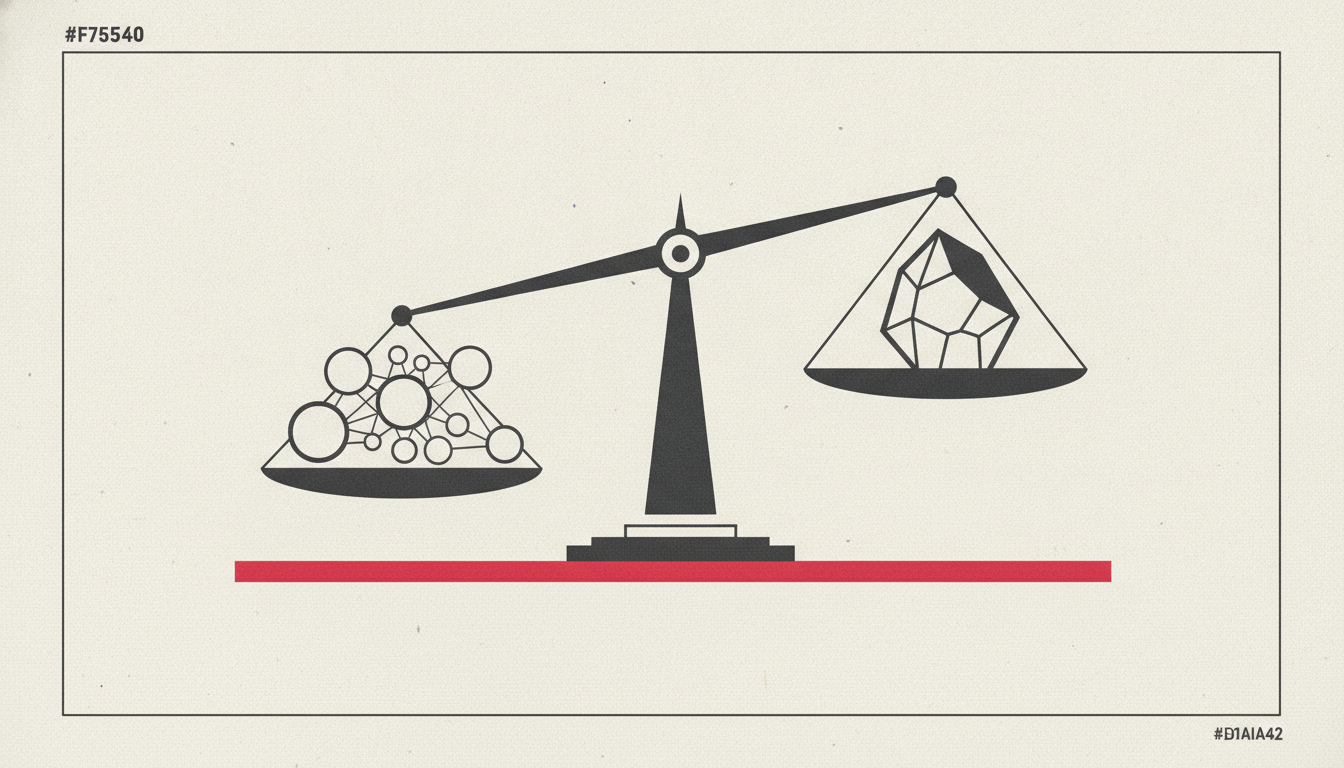
Most crypto casinos accept both volatile coins (BTC, ETH) and stablecoins (USDT, USDC). The choice changes your fees, your confirmation time, and how much your bankroll moves while you are not even playing.
Volatility
Deposit 0.01 BTC and its dollar value can swing several percent during a single session — up or down — before you have placed a bet. A dollar-pegged stablecoin removes that: $200 stays $200. If you want casino exposure without a currency bet layered on top, stablecoins are the predictable option.
Fees and speed
On-chain Bitcoin fees and confirmation times vary with network demand; the Lightning Network makes small BTC transfers near-instant and cheap where an operator supports it. Stablecoins are cheapest on low-fee networks (TRON, Polygon, Solana, Base) and pricey on Ethereum mainnet. The network you pick matters more than the coin.
How volatility interacts with wagering
There is a subtlety that catches players out. If a bonus carries a wagering requirement, the amount you must turn over is usually fixed at the time you claim it — so a mid-session price swing does not change the requirement, but it does change the real value of the balance you are grinding it with. Deposit in BTC, watch the price fall 8% mid-session, and your dollar bankroll has shrunk even on the hands you won. Casinos also tend to convert your crypto to an internal balance at their own rate and spread, and convert back on withdrawal; two conversions on a volatile coin is two chances for the price and the spread to move against you. With a stablecoin, the peg holds both ends steady, so what you deposit and what you withdraw are measured in the same dollar terms. As a rule, if you are chasing a wagering target, the fewer moving parts the better — and a stable unit of account is one fewer thing to track.
The two things that go wrong
First, sending a token on the wrong network (USDT-ERC20 to a TRON address, say) can lose the funds — always match the deposit address’s chain. Second, once deposited, the casino custodies your crypto; a stablecoin balance at an operator is only as safe as the operator, which is why licence and payout history still matter more than the coin.
A simple way to choose
You do not need to overthink this. If your goal is to gamble a set amount and keep your bankroll predictable, deposit a stablecoin on a low-fee network and you remove currency risk entirely — useful when you are working through wagering or simply want to know exactly what you are playing with. If you genuinely want Bitcoin exposure and are comfortable that your balance may rise or fall on price alone, deposit BTC, and use Lightning for small, fast, cheap transfers where the operator supports it. Whichever you choose, confirm the operator actually supports the specific network you intend to use, send a small test transfer the first time you deposit to a new address, and check the withdrawal side too — some casinos accept a coin on several chains but only pay out on one, which can leave you cashing out on a slower or pricier network than you deposited on. None of this is a substitute for the checks that matter most: the operator’s licence and its record of actually paying players. A fast, cheap deposit into a casino that stalls your withdrawal is no bargain, so weigh the payout record first and treat the coin-and-network decision as a smaller optimisation on top of it.
Key takeaways
- Stablecoins keep your bankroll pegged to the dollar; volatile coins add a currency bet on top of the gamble.
- The network you send on drives fees and speed more than the coin itself — TRON, Polygon, Solana and Base are cheap; Ethereum mainnet is not.
- Wagering requirements are usually fixed on claim, but a volatile deposit still changes the real value of the balance you grind with.
- Always match the token to the deposit address’s chain, or the funds can be lost.
- Send a small test transfer to any new address, and check the withdrawal side supports your network too.
- Once deposited, your balance is only as safe as the operator — licence and payout history outrank the coin choice.
Frequently asked questions
Are stablecoins safer than Bitcoin for casino play?
They remove price volatility, so your bankroll holds its dollar value while you play — that is the main safety they add. They do not make the operator itself any safer; a stablecoin balance still sits in the casino’s custody and depends on the casino paying you out.
Which network should I use for a stablecoin deposit?
A low-fee network the operator supports — commonly TRON, Polygon, Solana or Base — keeps costs down. Avoid Ethereum mainnet for small amounts, where gas fees can dwarf the deposit, and always match the network to the address the casino gives you.
What happens if I send USDT on the wrong chain?
If the casino cannot access that chain or address, the funds can be lost with no way to recover them. Always confirm the exact network the deposit address expects, and send a small test amount first when using a new address.
Bottom line: stablecoins on a low-fee network for a steady bankroll and fast, predictable withdrawals; BTC or Lightning if you specifically want to hold Bitcoin exposure. Nothing here is financial advice. 18+ · play responsibly.