


Megaways and Cluster Pays: How Modern Slot Mechanics Change the Math
A plain-English look at how Megaways, cluster pays and cascading reels work, why they push volatility higher, and why RTP is still the number that matters.

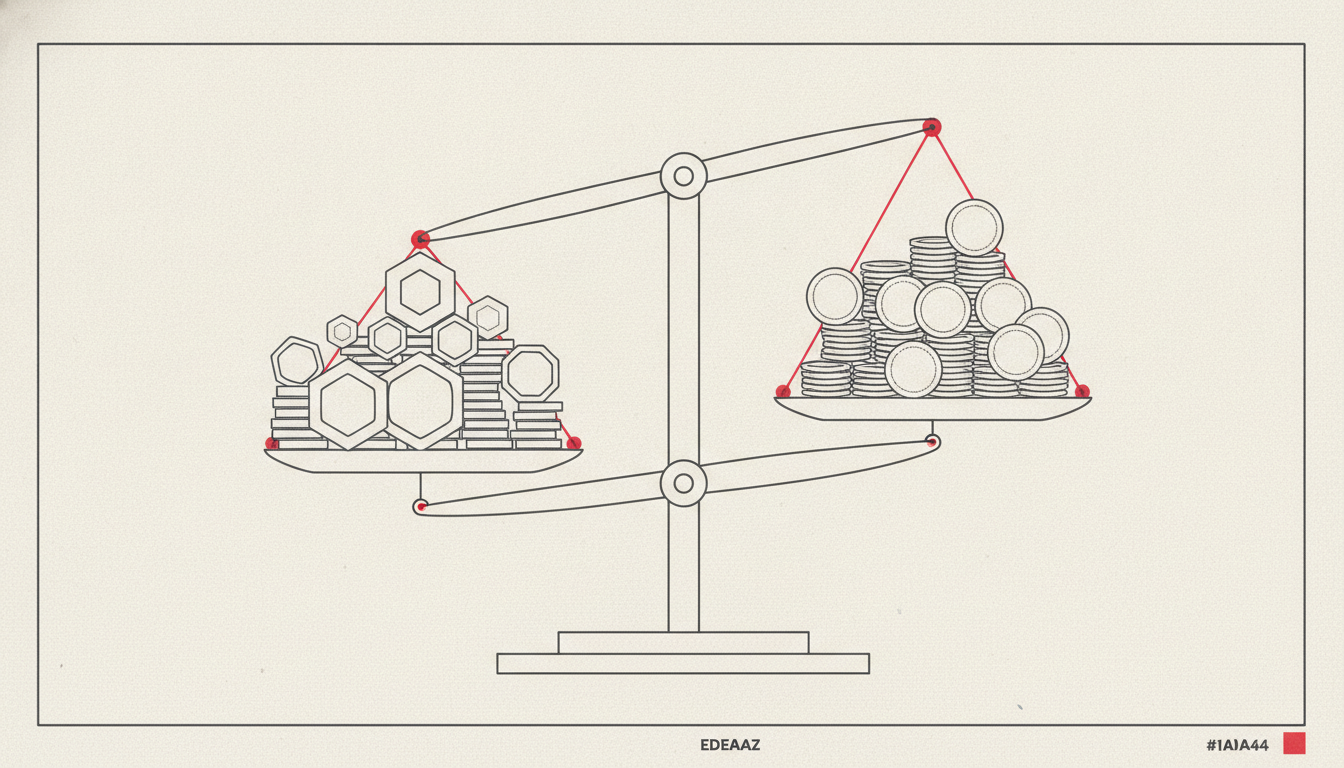
Modern slots rarely use the old fixed grid of three reels and a single payline. Instead, engines such as Megaways, cluster pays and cascading reels change how wins are counted, how often they land and how large they can get. This article explains how these mechanics work, why they tend to shift volatility higher, and why RTP and the house edge remain the numbers that matter most, whatever the marketing says.
How Megaways changes the number of ways to win
A traditional slot has a fixed layout, so the number of paylines is fixed too. Megaways replaces this with reels that show a variable number of symbols each spin. If every reel can display, say, two to seven symbols, the total number of ways to win is the product of the symbols shown on each reel, recalculated on every spin.
The often-quoted figure of “up to 117,649 ways” simply comes from six reels each showing seven symbols (seven to the power of six). That headline number is the maximum, not the typical case: on most spins the reels show fewer symbols, so the real count is far lower. More ways to win is not the same as better odds. The game’s maths is balanced so the theoretical return stays within its target range regardless of how many ways appear.
Cluster pays and cascading reels
Cluster-pays games drop the idea of lines and ways altogether. Instead, you win when a group of matching symbols sits adjacent to each other, usually touching horizontally or vertically, above some minimum group size. A larger grid gives room for bigger clusters but does not change the principle: the game only pays when enough matching symbols land connected.
Cascading reels (also called tumbling or avalanche reels) often accompany both Megaways and cluster engines. When a winning combination is paid, those symbols are removed and new ones fall into the gaps, which can create a further win from the same paid spin. A single spin can therefore produce a chain of consecutive wins. This looks generous, but the chance of each cascade is already priced into the game’s overall return. A long chain is a designed possibility, not a sign the game is “running hot”.
Why these mechanics tend to raise volatility
Volatility (or variance) describes how returns are distributed over time, not how much a game pays back on average. High-volatility games pay less often but with a wider spread of outcomes, including longer losing stretches and occasional larger wins. Megaways and cluster engines are frequently tuned toward the higher end of this scale, because the same average return can be delivered through rarer, larger wins rather than frequent small ones.
Cascades and expanding ways reinforce this feel: much of a game’s theoretical return may be concentrated in the bonus round or in rare cascade chains, so the base game can feel dry for long periods. Higher volatility widens the range of short-term outcomes in both directions, which usually means a greater chance of losing your stake quickly alongside a smaller chance of a large win. It does not improve your expected result. Every one of these games is negative-expectation by design, and the house edge applies on every spin no matter which mechanic is on screen. You can estimate how much turnover a bonus target implies with our wagering calculator.
Reading RTP, bonuses and multipliers honestly
RTP, or return to player, is the theoretical percentage of total stakes a game is expected to return over a very large number of spins. It is the single most useful number for comparing games, and it is unaffected by whether the engine uses lines, ways or clusters. A game marketed with “117,649 ways” and eye-catching win chains can still carry a lower RTP than a plain-looking classic slot. Importantly, RTP is a long-run average; it tells you nothing about what happens in one session, where results can fall far from that figure in either direction.
Two further points are worth understanding. First, many games ship with more than one RTP setting, and the operator chooses which version to run, so the same title can differ between sites. Second, bonus rounds and win multipliers are not free extras bolted on top; they are part of how the target RTP is reached, so a game with a big multiplier ceiling in free spins typically pays out less in the base game to compensate. For a fuller breakdown of how offers and playthrough interact, see our guide to bonuses explained, and read how we assess games in our methodology.
Key takeaways
- Megaways varies the symbols shown per reel, so the ways to win change each spin, and the headline maximum is rarely typical.
- Cluster pays reward adjacent groups of matching symbols rather than paylines, and cascading reels can chain several wins from one paid spin.
- These engines tend to run at higher volatility, meaning rarer wins, a wider spread of outcomes and a greater chance of a stake disappearing quickly.
- RTP is the number that actually matters and is independent of the mechanic; a flashy engine can still carry a lower RTP than a simple slot.
- Bonus rounds and win multipliers are built into the target RTP, not added on top, and many games run with more than one RTP setting.
- Whatever the mechanic, every slot is negative-expectation and the house edge applies on every spin.
Frequently asked questions
Do more ways to win mean better odds?
No. A larger number of ways to win only describes how wins are counted, not how likely you are to profit. The game’s maths is balanced so the theoretical return stays in its target range whether the spin shows a few ways or many. Odds are governed by RTP and volatility, not by the headline ways figure.
Are cascading reels more generous than normal slots?
Not inherently. A cascade can produce a chain of wins from a single spin, which looks generous, but the probability of those chains is already priced into the game’s overall return. Cascades change the texture of play, not the house edge, which still applies to every spin.
Is RTP still relevant for Megaways and cluster games?
Yes, more than ever. RTP measures the long-run theoretical return regardless of the engine, so it lets you compare a Megaways title against a cluster game or classic slot on the same basis. Remember it is a long-run average and says nothing about any single session, where outcomes vary widely.
Understanding the mechanics can make play more transparent, but it cannot remove the built-in house edge. Slots are entertainment with a negative expected return, so only ever stake money you can afford to lose, set limits before you start, and treat any win as a bonus rather than a plan. This content is for readers aged 18+ only, and if gambling stops being fun our responsible gaming resources can help.