

Riddles and puzzles hold enduring fascination, bridging cultural and generational divides. When combined with the captivating diversity of zoo animals, a daily riddle format becomes more than just a pastime—it transforms into an engaging tool for learning, critical thinking, and community connection. Whether featured in children’s educational programs, social media feeds, or zoo visitor centers, the “zoo riddle of the day” invites individuals to challenge their animal knowledge, fostering curiosity about the natural world while nurturing a love for linguistic play.
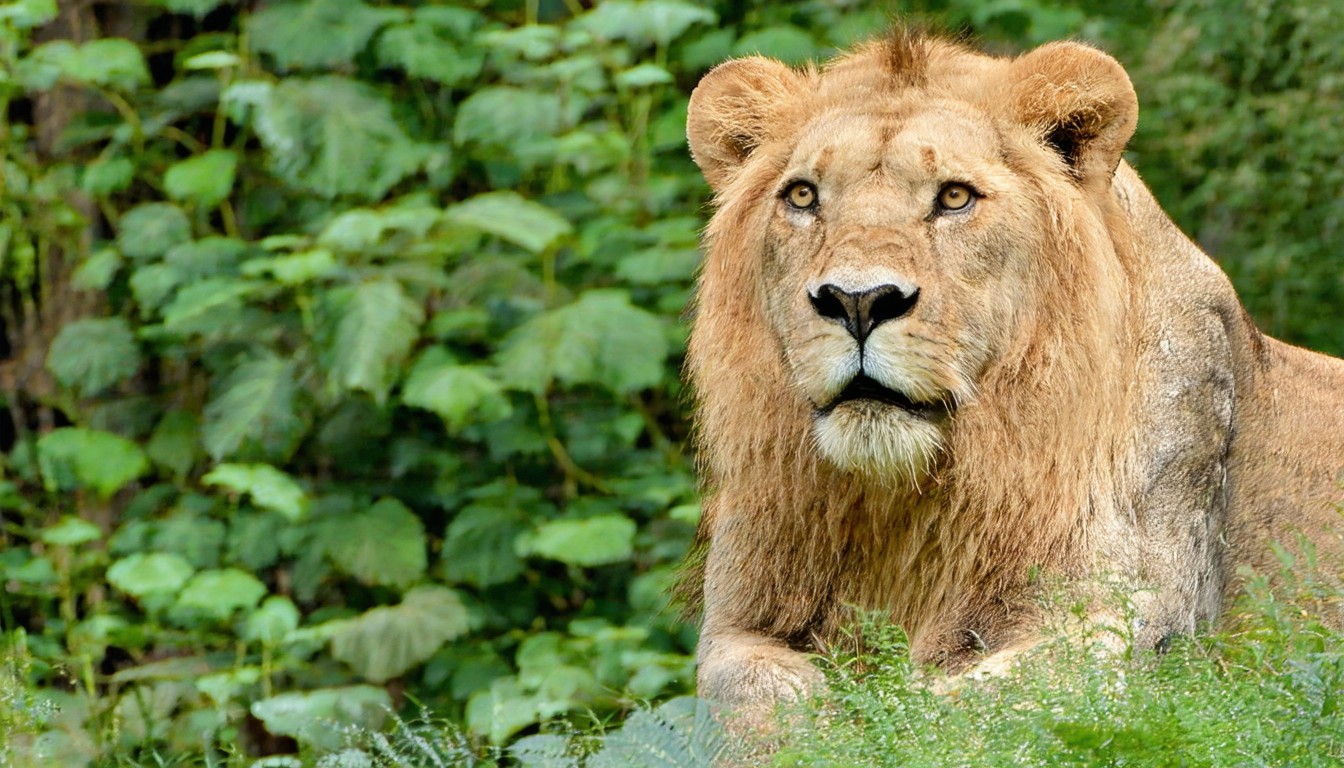
In an era where screen time often dominates family routines, riddles centered around animals—from the regal lion to the elusive pangolin—offer a screen-smart twist that keeps brains active. Let’s explore how daily zoo riddles have evolved into both an educational cornerstone and a phenomenon that inspires millions.
The Rise of Daily Riddles in Zoo Education
For decades, zoos have sought creative ways to make visits more memorable, moving beyond passive observation to interactive learning. The integration of daily animal riddles is one such approach that has gained traction globally.
Why Riddles? Cognitive and Social Benefits
Riddles engage multiple domains of intelligence, blending linguistic fun with logic and memory recall. Recent educational studies underscore their impact—children exposed to riddle-based learning activities regularly score higher in areas like verbal comprehension and problem-solving.
Cognitive neuroscientists suggest that answering riddles:
- Activates both left and right hemispheres of the brain.
- Improves working memory and information retrieval.
- Increases motivation to seek new knowledge.
As Dr. Eleanor Hughes, an educational psychologist specializing in informal science learning, notes:
“The beauty of a well-crafted animal riddle is that it stirs curiosity and wonder, while simultaneously deepening children’s understanding of biodiversity and behavior.”
Besides their cognitive benefits, riddles foster communal bonds. When shared in classrooms or on social media, riddles encourage collaboration and friendly debate, often leading to richer group learning experiences.
Zoo Case Studies: Riddles in Action
Many modern zoos have adopted the “riddle of the day” in creative ways:
- Boston’s Franklin Park Zoo posts riddles on placards near animal enclosures, offering hints throughout the day and rewarding correct guesses with small souvenirs or educational booklets.
- The San Diego Zoo’s Kids’ Portal features a daily riddle, prompting thousands of submissions and lively comment threads among young animal enthusiasts.
These interactive approaches increase dwell time at exhibits and cultivate deeper engagement with species-specific facts.
Crafting the Perfect Zoo Riddle
Behind every memorable “zoo riddle of the day” lies strategic design, balancing fun, challenge, and factual relevance. Effective riddles typically share several characteristics.
Essential Elements of a Good Animal Riddle
- Ambiguity: Use layered clues to prompt critical thinking rather than straightforward recall.
- Surprise: Lead guessers in unexpected directions—“I have stripes but I’m not a road; I neigh but I’m not a horse” (Answer: A zebra).
- Education: Embed real facts, reinforcing learning while entertaining.
A well-curated riddle library will span various animal groups, covering mammals, birds, reptiles, amphibians, and even rare or endangered species.
Example Riddles and Their Educational Value
Consider these sample riddles:
-
“I swing through trees, but I am not a bird. My tail helps me balance—who am I?” (Answer: A monkey)
Learning tie-in: Introduction to primate locomotion and anatomy. -
“I’m the only bird who can fly backwards. What am I?” (Answer: A hummingbird)
Learning tie-in: Insights into unique adaptations in the avian world. -
“When I’m born, I’m all white. As I grow, my color turns black and white. Who am I?” (Answer: A panda)
Learning tie-in: Teachable moments on animal development and conservation.
Notably, teachers and zoo educators report higher knowledge retention when lessons are introduced through riddles rather than conventional lectures.
Keeping the Riddle of the Day Engaging
Sustaining interest in a daily animal riddle series requires innovation and thoughtful curation—particularly as audiences become more sophisticated.
Using Technology and Social Media
Modern zoos and educational platforms have harnessed digital channels to extend the reach of their riddles:
- Interactive Apps: Apps like Kahoot! and Quizlet now feature daily animal riddles, allowing users to compete globally.
- Instagram and TikTok: Zoos post video riddles, often featuring keepers or charismatic animals as co-hosts, to boost engagement.
- Newsletters and Text Alerts: Opt-in “riddle of the day” subscriptions keep zoo fans connected even from afar.
These strategies not only increase participation but provide easy entry points for families, schools, and curious individuals.
Incorporating Real-World Events
Aligning riddles with current events, holidays, or conservation milestones adds relevance. For instance, on World Elephant Day, the riddle might center on elephant behavior or biology, tying into broader awareness campaigns.
Continuous Improvement Through Feedback
Soliciting audience feedback—through quizzes, suggestion boxes, or social media polls—helps keep content fresh and attuned to evolving interests. This agile, responsive approach is critical for maintaining high levels of engagement.
Real-World Impact: Beyond Fun and Games
While the zoo riddle of the day is undeniably entertaining, its influence extends far beyond fleeting amusement.
Fostering Conservation Awareness
Riddles about endangered or lesser-known species help shine a spotlight on conservation issues. When a riddle sparks curiosity about why the axolotl is rare or how rhinos are protected, it deepens empathy for wildlife and can encourage real-world action—donations, volunteering, or advocacy.
Supporting Literacy and Learning Across Ages
Daily riddles level the educational playing field, welcoming both children and adults into the world of animal science through approachable, jargon-free language. Intergenerational groups—from parent-child duos to entire classrooms—often tackle riddles together, fostering social learning.
Recognizable Successes
Several zoos and online animal education platforms have reported increased traffic and community engagement since debuting riddle-based content. For instance, after introducing a conspicuously placed daily riddle board, one North American zoo saw a notable increase in repeat visitation among families with young children.
Conclusion: Curiosity as the Gateway to Wildlife Appreciation
The “zoo riddle of the day” offers more than daily amusement—it’s a time-honored gateway into science, language, and community spirit. By weaving together elements of play, inquiry, and real-world relevance, these riddles help build a lifelong appetite for discovery and a deeper connection to animal life.
Looking ahead, the most successful programs will continue to innovate—adapting riddles for new media, integrating current conservation themes, and prioritizing inclusive language that welcomes learners at all levels. For anyone seeking to enrich their knowledge or simply inject a bit of mystery into their daily routine, the zoo riddle of the day remains a wonderful conversation starter and brain booster.
FAQs
What makes a good zoo riddle of the day?
A quality zoo riddle should balance clever wordplay with educational facts, offering hints that are both challenging and informative. The best riddles encourage problem-solving while imparting knowledge about animals and the natural world.
How can daily animal riddles support classroom learning?
Teachers use animal riddles to introduce new concepts, boost engagement, and promote collaborative problem-solving. They fit easily into science and language arts curricula and are shown to improve retention of core ideas.
Where can I find daily zoo riddles online?
Many zoos post daily animal riddles on their websites or social media pages. There are also educational apps and wildlife-themed newsletters dedicated to sharing fresh riddles each day.
How do riddles help raise awareness about endangered species?
By highlighting lesser-known or threatened animals in riddle form, these activities foster curiosity and empathy. This often motivates further exploration or advocacy for conservation efforts.
Can adults benefit from participating in zoo riddles?
Absolutely! Beyond the cognitive workout, adults enjoy riddles for the sense of discovery and playful challenge. They’re a popular feature at family gatherings, workplace wellness programs, and community events.
Do riddles differ depending on the target age group?
Yes—riddle complexity and vocabulary are typically tailored to suit different ages. For younger children, riddles focus on simple clues and familiar animals, while teens and adults might encounter multi-layered puns or lesser-known species.