
The announcement of a coin’s official exchange listing has become a pivotal event in the world of digital assets. W Coin, a much-anticipated entrant in the cryptocurrency market, is no exception. For traders, investors, and blockchain enthusiasts, the “W Coin listing date” represents more than a calendar milestone: it signals a project’s readiness, market expectations, and future trajectory. Understanding the full context and implications of such a listing is crucial for stakeholders aiming to navigate the volatile waters of crypto launches.
W Coin Overview: Concept, Purpose, and Market Context
New cryptocurrencies enter a highly competitive landscape, where credibility, use case, and timing impact long-term value. W Coin has positioned itself as an innovative digital asset aiming to bridge decentralized finance (DeFi) and real-world utility. Its core proposition reportedly focuses on efficient cross-border transactions and low-cost remittances, targeting a global user base underserved by traditional banking.
The project’s whitepaper outlines a hybrid consensus mechanism designed for both scalability and security—two perennial challenges in blockchain. By addressing these, W Coin attempts to differentiate itself from the hundreds of tokens launched annually, most of which struggle for visibility or fade into obscurity without meaningful adoption or exchange support.
Analyst consensus suggests that market appetite for genuine technical advancement remains strong. According to a recent study by Messari, digital assets that debut with robust backing and unique use cases tend to outperform generic tokens—at least in the initial months after listing.
Timeline: W Coin Listing Date and What Led Up to It
Key Milestones Before the Listing
The journey to an exchange listing is rarely linear. W Coin’s roadmap highlights several critical steps:
- Seed and Private Sales: Early fundraising rounds, often closed to the public, bring in strategic investors and development capital.
- Testnet Launch: Public or semi-public trials allow for debugging and real-world stress tests.
- Community Development: A growing online community provides market validation and grassroots marketing.
- Audit and Compliance: Third-party code audits and regulatory consultations reduce risks of vulnerabilities or legal setbacks.
“A coin’s success is rarely just about technology; it’s about timing, compliance, and building trust within the community,” notes Sophia Kim, a blockchain advisor, encapsulating the strategic complexity behind listings.
The Official W Coin Listing Announcement
Rumors and leaks often precede official exchange partnerships, but verified information typically becomes public only weeks or days before launch. In W Coin’s case, the development team used coordinated disclosures on social channels and tier-1 crypto news outlets to build anticipation.
While the exact listing date can shift due to last-minute adjustments or regulatory checks, W Coin’s team released its date through official channels after securing approval from one or more tier-1 exchanges. Pre-listing disclosures focused on:
- Supported trading pairs (e.g., W/USDT, W/BTC)
- Staking or airdrop programs for early adopters
- Precautionary guides on avoiding scams and fake contract addresses
How Exchange Listings Impact a Coin: Price, Liquidity, and Perception
Immediate Market Reactions
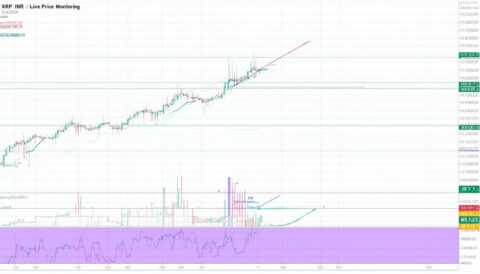
Exchange listings historically trigger heightened volatility. Prices can surge within minutes of trading before retracing or stabilizing. Several factors drive these dynamics:
- Liquidity Inflows: Major exchanges introduce new participants and increase order book depth.
- Speculative Interest: Short-term traders look for quick gains, fueling volume and sometimes extreme swings.
- Perceived Legitimacy: Inclusion on a regulated, high-volume exchange acts as a stamp of credibility.
A Coinbase Institute study found that coins listed on a mainstream platform typically see an initial volume spike of over 400% compared to pre-listing figures. However, sustainability depends on ongoing demand and broader market conditions.
Longer-Term Implications
Beyond short-term trading, an exchange listing can pave the way for:
- Additional Exchange Support: Secondary or regional exchanges often follow suit.
- Integration With Wallets & Services: Easier storage and transfer options bolster user adoption.
- Institutional Attention: Sophisticated investors monitor listings as a barometer for project viability.
That said, not all listings result in lasting success. Experts caution that real-world adoption, continued development, and transparent governance are essential for surviving post-listing volatility.
Essential Strategies for Stakeholders: Navigating the Launch
For Traders
Proactive traders often position themselves before the official listing by acquiring tokens during private sales or in OTC markets—where possible and permitted. On listing day, setting limit orders and being mindful of exchange delays or technical disruptions is key.
For Investors
Long-term investors prioritize fundamentals over hype. Key due diligence points include:
- Reviewing the project’s whitepaper and code audit results
- Assessing tokenomics (e.g., maximum supply, lockup periods)
- Monitoring how the team handles communication and post-listing transparency
For Project Supporters and Community Members
Supporting a new launch requires vigilance. Scammers often exploit heightened interest around listing dates. It’s critical to:
- Confirm official contract addresses only via trusted sources
- Ignore unsolicited messages or fake “airdrops”
- Participate in verified community channels for real-time updates
Regulatory Considerations: Compliance and Risks
The global regulatory environment for digital assets is rapidly evolving. Exchanges increasingly require robust Know Your Customer (KYC) and Anti-Money Laundering (AML) procedures before agreeing to list tokens. W Coin, according to project spokespersons, underwent multiple audits and legal checks to conform with these requirements, reducing the risk of subsequent delisting or legal scrutiny.
However, jurisdictional mismatches can still create barriers: some regions restrict access to new tokens for retail investors, while others may flag projects due to perceived risk or insufficient disclosures. Staying informed about local laws before trading or investing in recently listed coins remains a non-negotiable step.
Real-World Example: Comparing Recent Successful Listings
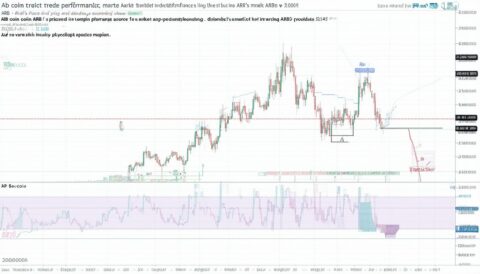
The reaction to W Coin’s listing follows patterns observed with recent entrants like Arbitrum’s ARB or Aptos’ APT. Upon debut, both tokens experienced substantial price surges—often followed by corrections as speculative euphoria ebbed. The critical difference between sustained movers and short-lived spikes is usually fundamentals: active development, ecosystem partnerships, and continuous transparency.
Projects that manage post-listing communication, proactive bug fixes, and open governance often fare better with both retail and institutional audiences over the medium term.
Conclusion: Strategic Takeaways on W Coin Listing Dates
The listing of W Coin is more than a technical event—it is a confluence of technology, compliance, community, and expectation management. Those seeking to engage with the launch, whether as traders or long-term holders, should focus not just on the listing hour but on the due diligence leading up to it and the project’s evolution in the months that follow.
Navigating a new coin launch requires balancing excitement with caution. By tracking official communications, engaging with the community, and applying lessons from similar launches, participants can optimize their strategies and mitigate downside risks.
FAQs
When is the official W Coin listing date?
The W Coin listing date is announced through the project’s official channels and partnered exchanges. Always verify such announcements from trusted sources to avoid misinformation.
Why is the listing date important for W Coin investors?
The listing date often marks the first opportunity for many investors to buy or sell the asset on a public exchange, making it a critical window for price discovery and liquidity.
What should I watch out for around the W Coin listing event?
Be wary of scams, fake contract addresses, and phishing attempts that frequently emerge around high-profile coin launches. It’s best to follow verified links and resources.
How does a new exchange listing typically affect a coin’s price?
Exchange listings usually trigger increased trading volume and price volatility. While prices may spike initially, longer-term trends depend on project fundamentals.
What exchanges are likely to support W Coin?
Top-tier exchanges are typically confirmed in official announcements. Secondary listings may follow if trading volumes and community interest remain strong.
Can I participate in W Coin’s launch if I am in a restricted country?
Access to new coins may be limited in certain jurisdictions due to regulatory restrictions. Review the terms of service on your exchange and consult local regulations to determine your eligibility.